- cross-posted to:
- [email protected]
- cross-posted to:
- [email protected]
You must log in or # to comment.
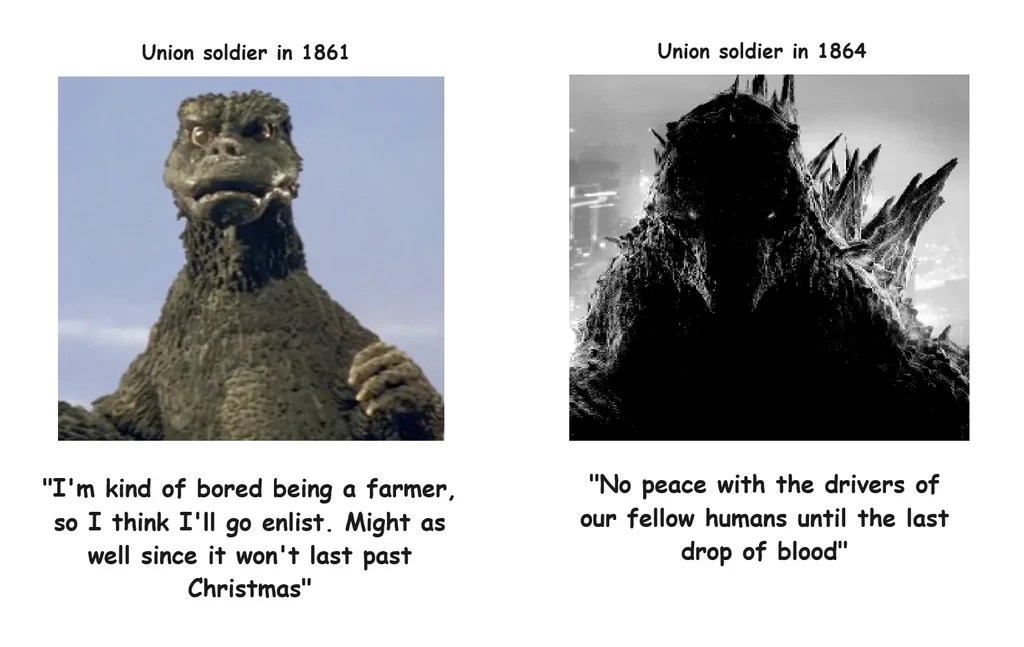
Explanation: In the US Civil War, fought over the issue of slavery between the anti-slavery Union and the pro-slavery Confederacy, many of the young men and boys who joined at the start of the war did so naively believing that it would be a short war, a bit of excitement away from the farm more than anything. Even those who took the war more seriously - like General Sherman and General Grant - were often motivated more by solidarity with the national government than by anti-slavery ideology.
However, as the war wore on, many of the letters by the early enlistees - and, indeed, of the Union civilian population in general - take a more stridently abolitionist turn - including the two aforementioned generals, who became ardent enemies of slavery, not just rebellion, by the end of the war. In the postwar period, both generals became strong voices for equal rights for Black Americans. This was also reflected in the vote - the military of the Union turned overwhelmingly and (ha) militantly abolitionist in its voting patterns by the end of the war.
No peace with slavers!
God damn liberals! leftist screeching
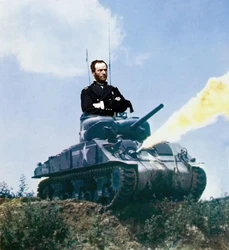
Also obligatory “sherman didn’t go far enough”