It is interesting that, barring the silk road, Vikingr conquest was the largest and most impactful cultural mixing across the entirety of the old world. Norse raiders didn’t just take wives, they took local men as recruits or even citizens to their band. It could be that this ring was from a turkish or iberian muslim that joined the Vikingr group as an immigrant to the culture, or as spoils of war from an enemy. Nordic influence has such a mix of imposition of will alongside adoption of local customs that it’s influence held on all the more strongly. People acknowledge that they were raiders and invaders, but if they were only that, the cultural impact would be far less profound, I imagine.
Edit: The article states the ring was buried with a woman, but no word as to whether she was a warrior or wife.
The idea of women as viking warriors seems like it’s still being debated in academic circles. I understand that women *did* accompany war parties, however, so she wasn’t necessarily ‘just a wife,’ either. Could have had various military roles without necessarily being a fighter.
True, that was reductionist of me. I remember reading about norse women being burried with weapons, but there was some debate as to whether it was the axes of their husbands when their bodies couldn’t be recovered, or their still-living husbands gave up a prized weapon when his wife died. It may even be that the various tribes of Vikingr had vastly diverse priorities and social stigmas. Of course, identifying cultural paradigms from the shadows of a dead or vastly evolved culture has always been difficult. I also imagine there would be records from more patriarchal European writers if warrior women were seen with any regularity. There are no shortage of documents detailing everything the Britons, Gauls, and Saxons hated about Vikingr.
I also imagine there would be records from more patriarchal European writers if warrior women were seen with any regularity.
The Byzantines of the period noted, with surprise, that many of the warriors were women after the Byzantines won a battle and began stripping the Norse dead of their armor.
It may even be that the various tribes of Vikingr had vastly diverse priorities and social stigmas.
I’m only the faintest bit knowledgeable about Vikingar, but that seems rather likely based on their diverse settlements spread over a wide area.
IIRC, few native documents have been discovered over the years likely because they valued storytelling and oral history more highly. I also seem to recall that the hierarchy of myths and deities we commonly attribute to all Vikingar (Odin, Friga, Thor, Heimdall et al) were in fact based on a very small sample size, and in fact may have been a belief system only for a relatively small group, not necessarily any wider-scale than that.
There’s a compelling case to be made that the silk road was not as big of a deal as we make it out to be, and that more East-West trade in the ancient world was by maritime routes through india/Arabia. I haven’t read his book, yet, on it, but William Dalrymple is the historian with the best layman’s case about it.
It could be that this ring was from a turkish or iberian muslim that joined the Vikingr group as an immigrant to the culture, or as spoils of war from an enemy
There was actually such a large connection from the vikings to the Islamic world that the currency used during the viking period was dirhams from the Islamic world. Some of the best written descriptions of vikings came from people like Ibn Fadlan who went from bagdad to go meet the vikings.

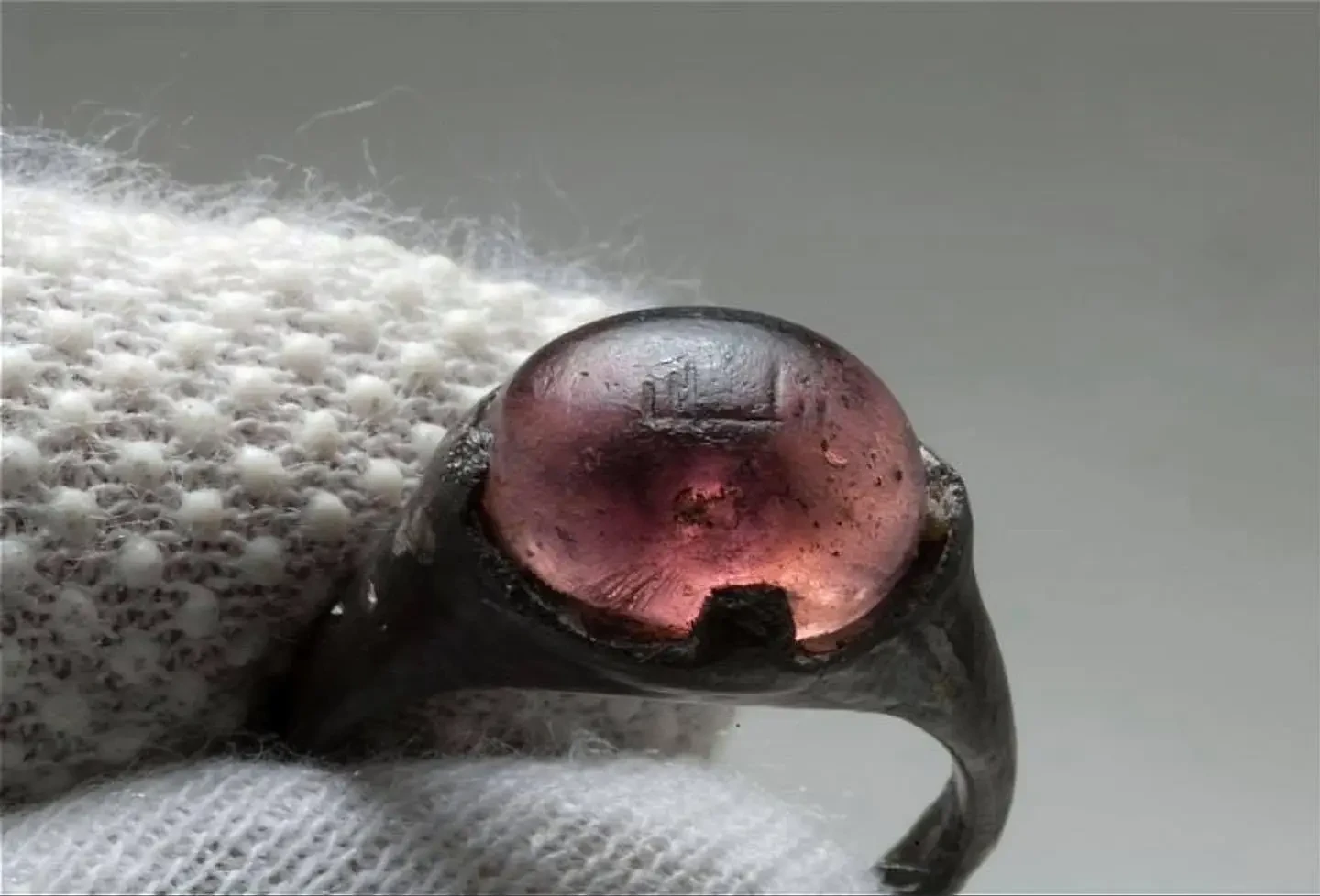
It would be nicer if you shared the source article. 2022: https://www.thearchaeologist.org/blog/why-was-a-viking-woman-buried-with-a-ring-that-says-for-allah-on-it
According to this, they did not necessarily fight for Allah; the ring may have come through trade.
It is interesting that, barring the silk road, Vikingr conquest was the largest and most impactful cultural mixing across the entirety of the old world. Norse raiders didn’t just take wives, they took local men as recruits or even citizens to their band. It could be that this ring was from a turkish or iberian muslim that joined the Vikingr group as an immigrant to the culture, or as spoils of war from an enemy. Nordic influence has such a mix of imposition of will alongside adoption of local customs that it’s influence held on all the more strongly. People acknowledge that they were raiders and invaders, but if they were only that, the cultural impact would be far less profound, I imagine.
Edit: The article states the ring was buried with a woman, but no word as to whether she was a warrior or wife.
The idea of women as viking warriors seems like it’s still being debated in academic circles. I understand that women *did* accompany war parties, however, so she wasn’t necessarily ‘just a wife,’ either. Could have had various military roles without necessarily being a fighter.
True, that was reductionist of me. I remember reading about norse women being burried with weapons, but there was some debate as to whether it was the axes of their husbands when their bodies couldn’t be recovered, or their still-living husbands gave up a prized weapon when his wife died. It may even be that the various tribes of Vikingr had vastly diverse priorities and social stigmas. Of course, identifying cultural paradigms from the shadows of a dead or vastly evolved culture has always been difficult. I also imagine there would be records from more patriarchal European writers if warrior women were seen with any regularity. There are no shortage of documents detailing everything the Britons, Gauls, and Saxons hated about Vikingr.
The Byzantines of the period noted, with surprise, that many of the warriors were women after the Byzantines won a battle and began stripping the Norse dead of their armor.
Interesting thoughts!
I’m only the faintest bit knowledgeable about Vikingar, but that seems rather likely based on their diverse settlements spread over a wide area.
IIRC, few native documents have been discovered over the years likely because they valued storytelling and oral history more highly. I also seem to recall that the hierarchy of myths and deities we commonly attribute to all Vikingar (Odin, Friga, Thor, Heimdall et al) were in fact based on a very small sample size, and in fact may have been a belief system only for a relatively small group, not necessarily any wider-scale than that.
This thread is why I’m on Lemmy. Love you both. 😍
Appreciate. :D
Btw, let this be a reminder to me to cover more Thorgal, in future, over at EGN. So far I think I only have this: https://piefed.social/post/739915
There’s a compelling case to be made that the silk road was not as big of a deal as we make it out to be, and that more East-West trade in the ancient world was by maritime routes through india/Arabia. I haven’t read his book, yet, on it, but William Dalrymple is the historian with the best layman’s case about it.
There was actually such a large connection from the vikings to the Islamic world that the currency used during the viking period was dirhams from the Islamic world. Some of the best written descriptions of vikings came from people like Ibn Fadlan who went from bagdad to go meet the vikings.